
✨ Introduction
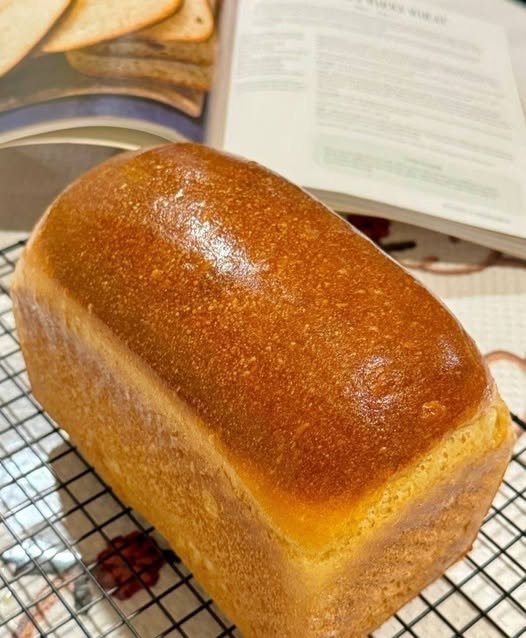
There’s something truly special about homemade Sourdough Bread. The crackly crust, the soft chewy center, and that rich tangy flavor make every slice feel comforting and homemade in the best way.
The first time I baked Sourdough Bread, I was honestly nervous. It seemed complicated and intimidating. But once I pulled that golden loaf from the oven and heard the crust crackle while cooling, I completely fell in love with the process.
What makes sourdough so amazing is that it uses natural fermentation instead of relying only on commercial yeast. That means deeper flavor, better texture, and a bread that feels more wholesome and satisfying.
And the best part? You do not need to be a professional baker to make it.
💛 Why You Will Love This Recipe
This homemade Sourdough Bread is worth every minute:
- Crispy golden crust with soft chewy center
- Rich bakery-style flavor
- Made with simple ingredients
- Naturally fermented and easier to digest
- Perfect for sandwiches, toast, or soups
Once you make your own loaf, store-bought bread feels completely different.
🥣 Ingredients You Will Need
Simple ingredients create amazing bread:
- 1 cup active sourdough starter
- 3 1/2 cups bread flour
- 1 1/4 cups warm water
- 1 1/2 tsp salt
Optional:
- Rice flour for dusting
- Olive oil for softer crust
👩🍳 Step-by-Step Instructions
🍞 Step 1: Mix the Dough
In a large bowl, mix sourdough starter and warm water.
Add flour and salt. Stir until a rough dough forms.
The dough may look shaggy at first—that’s perfectly normal.
🍞 Step 2: Rest the Dough
Cover the bowl and let it rest for 30 minutes.
This helps the flour absorb water and improves texture.
🍞 Step 3: Stretch and Fold
Instead of heavy kneading, gently stretch one side of the dough and fold it over.
Turn the bowl and repeat 4 times.
Do this every 30 minutes for about 2 hours.
💡 Tip: This creates that beautiful chewy texture in Sourdough Bread.
🍞 Step 4: First Rise
Cover the dough and let it rise at room temperature for 4–6 hours until puffy.
Rise time depends on room temperature.
🍞 Step 5: Shape the Dough
Place dough on a lightly floured surface.
Shape into a round loaf by gently pulling edges inward.
Try not to press out all the air bubbles.
🍞 Step 6: Second Rise
Place dough into a floured bowl or proofing basket.
Cover and refrigerate overnight for best flavor.
This slow fermentation gives Sourdough Bread its classic tangy taste.
🍞 Step 7: Bake
Preheat oven to 230°C (450°F) with a Dutch oven inside.
Carefully place dough into hot pot. Score the top with a sharp knife.
Bake covered for 20 minutes, then uncovered for another 20–25 minutes until deep golden brown.
🍞 Step 8: Cool Before Slicing
This is the hardest part—waiting.
Let the bread cool for at least 1 hour before slicing.
💡 Cutting too early can make the inside gummy.
💡 Pro Tips & Variations
- Use bread flour for better chewiness
- Cold overnight proof creates deeper flavor
- Add herbs, cheese, or garlic for variations
- If dough feels sticky, lightly wet your hands instead of adding too much flour
- Steam during baking helps create crispy crust
Common mistake: underproofing the dough. Give it enough time to rise naturally.
🥗 Health Benefits of Sourdough Bread
Many people enjoy Sourdough Bread because it feels lighter and more satisfying than regular bread.
Benefits include:
- Natural fermentation may help digestion
- Lower preservatives compared to store bread
- Rich flavor without extra sugar
- Homemade ingredients you can control
It’s comfort food that feels more wholesome and traditional.
🍽️ Serving Suggestions
Fresh Sourdough Bread works with almost everything:
- Toast with butter and honey
- Serve with soups or pasta
- Make grilled cheese sandwiches
- Top with avocado and eggs
- Dip in olive oil and herbs
Honestly, even a plain warm slice tastes incredible.
🧊 Storage Tips
Keep your bread fresh longer:
- Store at room temperature for 2–3 days
- Wrap in cloth or bread bag for best texture
- Freeze sliced bread up to 2 months
- Reheat in oven for crispy crust again
💡 Avoid storing in the fridge—it can dry out faster.
❓ Frequently Asked Questions
1. Why is my Sourdough Bread dense?
Usually because the dough didn’t rise enough or starter was weak.
2. Can I make sourdough without a Dutch oven?
Yes, but a Dutch oven helps trap steam for better crust.
3. Why is my dough sticky?
Sourdough dough is naturally wetter than regular bread dough.
4. Can beginners make Sourdough Bread?
Absolutely! It just takes patience and practice.
5. How do I know when it’s fully baked?
The loaf should sound hollow when tapped underneath.
🌟 Conclusion
Homemade Sourdough Bread is more than just bread—it’s an experience. From mixing the dough to hearing the crispy crust crackle after baking, every step feels rewarding.
And once you taste that warm, tangy slice fresh from the oven, you’ll understand why so many people love baking sourdough at home.